

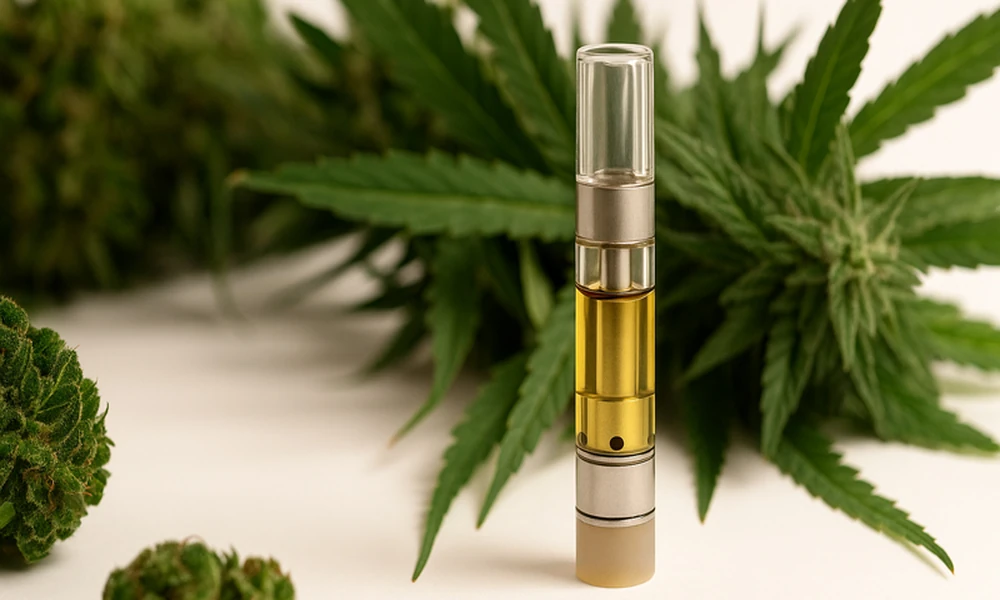
Cold air thickens cart oil the same way a refrigerator thickens honey, and thickened oil stops moving through the intake. Clogging during winter trips traces back almost entirely to that single physical change. Travellers carrying Exhale Wellness THCa vapes through mountain towns or snow destinations meet the problem more than anyone. Protecting a cart against it takes little effort once the cause becomes clear.
Why does cold clog?
Oil viscosity rises sharply as temperature falls, and distillate turns nearly solid near freezing. Airflow channels inside a cart measure barely a millimetre across at their narrowest points. Thick oil creeping into those channels hardens there and seals them shut. Condensation adds a second mechanism working alongside viscosity. Warm breath meeting a cold mouthpiece deposits moisture inside the airway, and repeated pulls build that film into a plug. Temperature swings cause the third problem, since oil expands and contracts with every warm-to-cold cycle. Expansion pushes oil past the seals into the airway, where the next cold snap hardens it. A cart riding in an exterior jacket pocket during a ski day experiences dozens of these cycles. Each mechanism alone slows a draw slightly, yet all three together close a cart completely within a weekend.
Keeping oil warm
Warmth prevents every mechanism above, and body heat supplies it freely during any winter trip. Placement decides everything about how much of that heat reaches the cart.
- Carry the cart inside an interior chest pocket rather than any exterior shell pocket.
- Sleep beside it inside the bag on camping nights below freezing.
- Warm a cold cart between palms for two minutes before the first pull.
- Never rest one near a heater vent, since rapid heating pushes oil past seals.
Slow, steady warmth keeps viscosity inside the working range. Sudden heat swings recreate the expansion cycle in reverse.
Storing carts overnight
- Position – Upright storage keeps oil settled against the wick, leaving airflow channels clear through the night.
- Location – Interior room placement beats window sills and parked cars, where overnight temperatures fall hardest.
- Sealing – A zipped bag blocks the condensation that forms when a cold cart meets warm indoor air.
Overnight habits matter because most winter clogs form during the hours nobody watches. A cart left upright, sealed, and indoors wakes up drawing exactly as it did the evening before.
Clearing clogs gently
Even careful travellers meet an occasional blocked draw, and gentle clearing preserves the cart. Palm warming remains the first response, softening whatever hardened inside the airway. A few short primer pulls without firing, then move the loosened oil back down the channel.
A toothpick tip cleans visible mouthpiece buildup without reaching deeper parts. Forceful pulling deserves avoidance, since hard draws flood the intake and worsen the original blockage. Firing a fully clogged cart also burns dry residue against the coil. Patience through two warming cycles clears nearly every cold-weather plug completely.
Cold clogs come down to physics, thick oil, trapped moisture, and expansion cycles. Warm placement, upright sealed storage, and gentle clearing answer all three causes together. Winter trips then pass without a single stuck draw.