

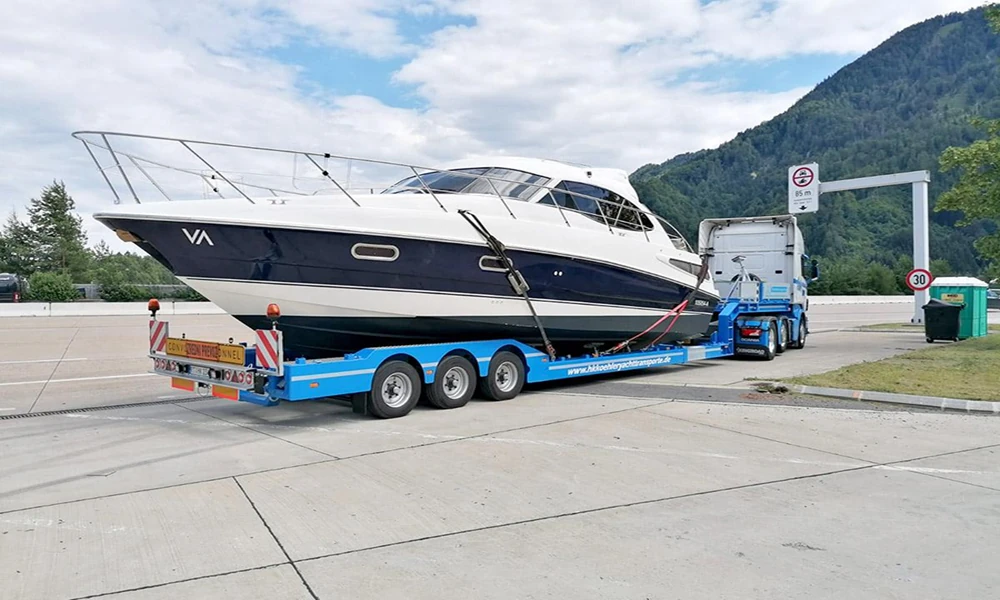
Moving a boat from one state to another involves more than arranging a trailer and choosing a delivery date. Whether you’re relocating, purchasing a vessel from an out-of-state seller, or transferring a boat between marinas, the process requires careful preparation.
Boat dimensions, highway restrictions, marina access, and transportation schedules can all influence how smoothly the move goes. Overlooking even one detail may result in unexpected costs, delays, or complications during pickup and delivery.
Understanding what to check before transporting your vessel can make the experience more predictable and help protect your investment.
Confirm Your Boat’s Dimensions and Transport Requirements
Accurate measurements are among the most important details when planning interstate boat transportation.
Transport arrangements depend on the vessel’s overall length, width, height, and weight. Measurements should account for permanently attached equipment and any components that extend beyond the hull.
For example, radar arches, antennas, hardtops, and other accessories can affect the overall traveling height. A vessel that fits comfortably in the water may require special arrangements when loaded onto a transport trailer.
Before requesting transportation estimates, gather the following information:
- Overall length, including applicable extensions
- Maximum beam or width
- Overall height in its planned transport configuration
- Approximate vessel weight, including relevant equipment
- Hull type and trailer compatibility
- Any removable structures or unusual loading requirements
Some vessels exceed standard highway dimensions and may require oversize-load permits, specialized equipment, or escorts. Requirements vary by state and route, so confirm what applies rather than assuming the same rules apply throughout the journey.
Providing accurate measurements early helps transportation professionals assess equipment needs and identify possible logistical challenges.
Choose the Right Transportation Arrangement
Not every vessel can be moved using the same equipment or transportation approach.
Smaller boats may be suitable for conventional trailer transportation, while larger or unusually configured vessels may require specialized trailers, hydraulic equipment, or additional loading arrangements.
The right solution depends on the vessel’s dimensions, construction, support requirements, and intended route.
When comparing transportation options, consider more than the initial quote. Ask how carriers are selected, whether the proposed equipment suits your vessel, and who will coordinate communication between pickup and delivery locations.
Working with a boat transport company that coordinates carrier selection, scheduling, and marina arrangements can be one way to simplify an interstate move, particularly when several parties need to communicate throughout the process.
Before finalizing an agreement, clarify:
- Who is responsible for securing applicable permits
- Whether the carrier has appropriate operating authority and insurance
- How the vessel will be supported and secured
- What loading and unloading arrangements are required
- How schedule changes or unexpected delays will be communicated
Clear responsibilities can help prevent misunderstandings when the vessel is ready to move.
Prepare the Vessel Before Pickup
Proper preparation helps reduce the possibility of damage and makes loading more efficient.
Start by removing loose belongings, unsecured electronics, portable equipment, and anything that could shift during transportation. Items stored safely during normal boating conditions may behave differently during an extended road journey.
Secure cabin doors, hatches, drawers, and exterior compartments. Inspect anything exposed to wind or vibration, including canvas covers, antennas, and removable accessories.
Depending on the vessel and carrier’s requirements, additional preparation may involve reducing fuel or water levels, disconnecting batteries, or removing specific equipment.
These steps should be confirmed with the transportation provider rather than performed automatically.
It’s also helpful to photograph the vessel before pickup. Capture the hull, deck, exterior fittings, and any existing cosmetic damage.
A dated collection of photographs provides a useful condition record if questions arise after delivery.
Finally, discuss whether the boat requires lifting, blocking, or specialized handling. These arrangements may need to be completed by qualified marina or boatyard personnel.
Review the Route and Marina Access
A successful interstate move depends on more than the distance between two locations.
Road restrictions, bridge clearances, construction activity, and oversize-load regulations can affect transportation routes. For larger vessels, the most direct highway route may not be suitable.
Access conditions at the pickup and delivery locations are equally important.
Some marinas have limited operating hours, narrow access roads, restricted loading areas, or equipment that must be reserved in advance. Others require appointments before commercial carriers can enter the property.
Contact both facilities and confirm:
- Available pickup and delivery dates
- Marina or boatyard operating hours
- Requirements for cranes, lifts, or forklifts
- Access restrictions for trucks and trailers
- Any applicable handling or storage charges
If a vessel is being purchased from another owner, coordinate these arrangements with the seller or broker as well.
Establishing a realistic timeline can reduce the risk of a carrier arriving before the vessel or marina is ready.
Understand Insurance, Documentation, and Delivery Procedures
Insurance and documentation deserve attention before the boat begins its journey.
Ask for the carrier’s insurance information and review what the coverage actually includes. Coverage limits, deductibles, exclusions, and claims procedures may vary.
Do not assume that an existing recreational marine insurance policy automatically covers every aspect of overland transportation. Contact your insurer to confirm whether additional protection is necessary.
You should also clarify what condition documentation will be completed at pickup and delivery.
Depending on the arrangements, this may include a condition report, inspection photographs, transport agreement, or delivery acknowledgment.
When the boat arrives, inspect it before signing documentation that confirms its condition.
Compare the vessel with the photographs taken before departure, paying particular attention to the hull, fittings, and accessories.
If you notice a problem, document it promptly and follow the reporting procedures specified in the transportation agreement.
Conclusion
Moving a boat across state lines becomes easier to manage when important decisions are made before the transportation date.
Accurate vessel measurements, suitable equipment, careful preparation, route planning, and clear communication all contribute to a more organized process.
Whether you’re relocating a personally owned vessel or arranging delivery after a purchase, the goal is to understand the requirements and responsibilities before the boat leaves its starting location.
A well-prepared transportation plan helps minimize avoidable complications and gives everyone involved a clearer understanding of what to expect.