

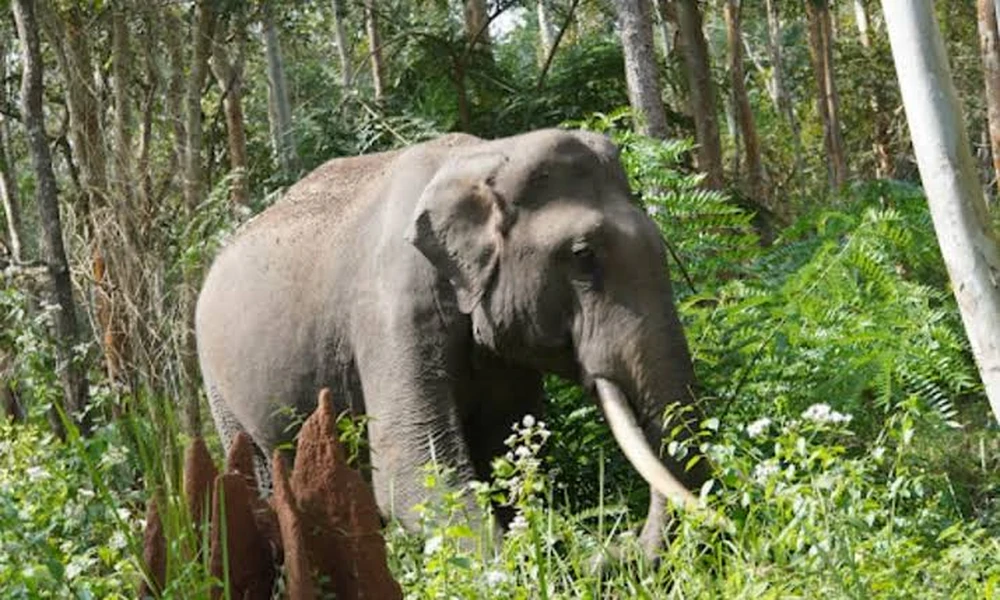
Sri Nin is believed to have been born in 1951 in Ranong, a small province in southern Thailand. For most of her life she dragged and pushed teak logs through forest, used as living machinery. Visitors looking for the best elephant sanctuary koh samui has to offer often focus on facilities. At Samui Elephant Haven, the more telling detail is that every elephant arrives with a history the sanctuary is willing to tell.
Timber, Then Rest
Sri Nin was not the only logging elephant to end up here. Sorn Ram, born in 1965 in northern Thailand, began her working life pushing, pulling and rolling massive logs. Today Sri Nin is the oldest elephant at the sanctuary. Neither carries anything heavier than her own weight now.
Trained to Perform
Aom’s life began with training in acrobatics and performances, before she was old enough to understand what was happening. She later came to the sanctuary from a trekking camp. In a place with a strict rule against entertainment, she no longer has to perform for anyone.
Posing on the Beach
Plai Bank’s story belongs to the tourist economy itself. He was taken from his mother at two years old and put to work walking up and down a beach outside a hotel. He stopped only to pose for photographs and be fed watermelon and bananas. It is a reminder that harm to elephants does not always look like heavy labour. Sometimes it looks like a holiday snapshot.
The Walk to Freedom
In May 2019, Somboon and Sri Nuan walked across the island to the sanctuary. Sri Nuan was old and unwell, and the procession had to keep stopping so she could rest. About halfway, a vet put her on a drip because she was badly dehydrated. Both elephants eventually arrived. When people ask which is the best elephant sanctuary koh samui visitors can support, a history documented this carefully is a reasonable place to start.
The First Born Here
Not every story begins with hardship. Haven was born in 2019, the first baby ever born at the sanctuary. Her arrival marked a change for the herd: an elephant whose whole life will be spent without a job to do.
Sudarat, at 66, now moves at a gentler pace because of an old knee injury. She still leads a group of females the staff call “the gang.” The herd she leads is a record of the work elephants should never have been given, and of the slower life that comes after.